The Gas That Never Reaches the Nozzle: Contracting for Biomethane Losses in UK Fleets
UK fleet operators are increasingly comfortable buying biomethane. The fuel is familiar, the refuelling hardware is maturing, and the certificate-backed supply model has made procurement possible for depots that will never host an anaerobic digester. Yet the contractual paperwork often stops at the point of sale: energy delivered, certificates retired, price agreed. The gas that never reaches the nozzle is left in a footnote.
That gap matters in 2026. As more fleets make renewable gas claims in sustainability reports, annual accounts and tender submissions, the difference between injected energy and useful energy becomes an audit issue rather than an engineering curiosity. Methane lost during upgrading, compression and injection is not a trivial rounding error. It is a physical stream with a cost, an emissions profile and, too often, no clear owner.
A Chain With More Boundaries Than the Invoice Shows
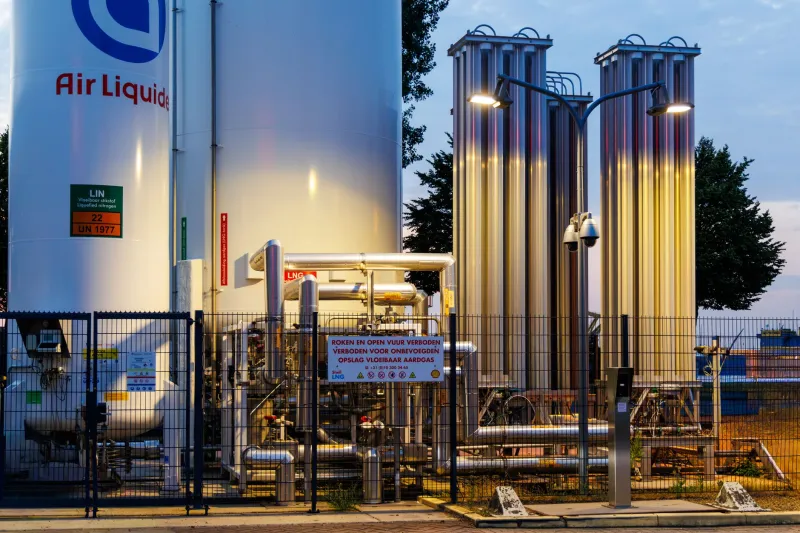
A biomethane supply chain is a sequence of handovers. Raw biogas leaves the digester, is upgraded to remove carbon dioxide and other impurities, compressed, metered and injected into the gas grid. It may then be allocated through entry-exit arrangements, transported, compressed again at a refuelling station and finally burned in a vehicle engine.
Each handover has a boundary, and each boundary has losses. Upgrading can vent methane in off-gas. Compressor seals and purge cycles can release gas. Injection metering carries tolerance bands. Grid allocation is not a physical parcel of molecules following a tanker route. Even at the depot, boil-off and dispenser measurement can widen the gap between what was purchased and what was dispensed.
In a simple diesel contract, the depot can usually reconcile deliveries against tank readings and invoices. Biomethane is less direct. A certificate may represent environmental attributes rather than a specific molecule, and the physical gas may be injected hundreds of miles away. If the contract does not define which losses sit with the producer, the shipper, the supplier or the fleet, the answer arrives only when someone challenges the claim.
Measure the Loss, Not Just the Molecule
Fleet managers do not need to become gas-processing engineers, but they should ask for evidence that losses are measured rather than assumed. The first question is whether the supplier can provide a methane loss factor for each stage of the chain, including upgrading off-gas, compression and injection. A single default percentage is better than silence, but it should be accompanied by a methodology and a review date.
Where upgrading is part of the supply route, the supplier should be able to explain how methane concentration in the off-gas is monitored and how periodic verification is handled. Where compression and injection are in scope, meter calibration records and tolerance assumptions matter. These are not adversarial requests. They are the biomethane equivalent of asking a fuel distributor how it calibrates its delivery meters.
Depot-level measurement also deserves attention. If the refuelling station has its own meter, the contract should state how it is calibrated, how often readings are exchanged and what happens when the station meter and the supplier’s allocation disagree. A tolerance band without a correction mechanism is simply a deferred dispute.
The Liability Question Hidden in Delivery Terms
Many biomethane contracts define delivery at a grid entry point or at a notional transfer point. That is commercially sensible, but it can leave the fleet bearing shrinkage and unaccounted-for gas without saying so explicitly. The contract may refer to a loss-adjusted volume, a shrinkage factor or a deemed delivered quantity. If those terms are not defined, the fleet cannot tell whether it is buying 100 units and receiving 96 or buying 100 and receiving 100 with losses absorbed elsewhere.
A practical contract should name the delivery point, the title transfer point and the risk transfer point separately. It should state which party owns gas lost before delivery, which party owns gas lost after delivery, and how any loss adjustment is calculated. Caps on loss charges are useful, particularly where the fleet has limited ability to verify upstream performance. So are make-good provisions if metering failures or abnormal venting occur.
Certificate-backed supply adds another layer. The contract should confirm that renewable gas certificates are retired on the fleet’s behalf, that they are not double sold, and that the certificate volume is matched to the loss-adjusted energy claim. A fleet that retires certificates for 100 units but reports only 96 units of delivered energy should understand why the two figures differ and whether the difference is defensible.
Carbon Accounting: Keep the Claim Defensible
Biomethane is attractive because it can reduce lifecycle emissions compared with fossil gas or diesel. But the size of that benefit depends on how methane losses are treated. Methane is a potent greenhouse gas, and a small loss rate can materially affect the emissions intensity of the supply chain. Fleets making public claims should ask for an emissions intensity figure that includes fugitive and slip emissions, not just combustion emissions.
Internally, fleets should separate the methane released in their own operations from methane lost upstream. Engine methane slip is a scope 1 consideration for the vehicle operator. Upgrading and compression losses are more likely to sit upstream, but they still affect the credibility of a renewable gas claim. For UK reporting under SECR and for voluntary climate disclosures, consistency matters more than a perfect number. The fleet should be able to explain its boundary and its assumptions.
A sensible supplier will welcome this. A vague supplier will prefer to discuss certificate volume and price. The difference is visible in the tender response.
Clauses to Agree Before the Next Tender
Before the next biomethane tender, depot managers and procurement teams should settle a short set of clauses. Define the supply-chain boundary and the delivery point. Require a documented loss factor and methodology, with an annual review. Specify metering standards, calibration intervals and data access. Allocate title and risk for lost gas explicitly, including a cap on shrinkage charges. Require certificate retirement evidence and a no-double-counting warranty. Ask for emissions intensity including methane slip and fugitive losses. Include audit rights and a correction process for metering errors.
None of this replaces legal advice, but it gives commercial and legal teams a clear brief. The aim is not to eliminate every loss. It is to make losses visible, priced and owned.
Biomethane can be a credible part of a UK fleet’s decarbonisation plan. But credibility rests on the unglamorous details: meters, boundaries and clauses. The gas that never reaches the nozzle should not disappear from the contract as well.