Waste Not, Watt Not? Scotland's Distillery Hydrogen Bet Needs a Sober Audit
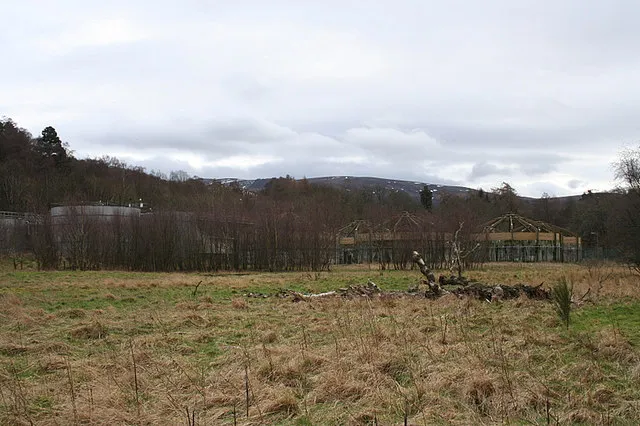
Photo: Des Colhoun, CC BY-SA 2.0, via Wikimedia Commons
The appeal of the distillery cluster
Scotland's distillery sector produces more than spirit. It produces draff, pot ale, spent lees and wastewater in volumes that are expensive to treat and awkward to move. It also produces concentrated energy demand, often in rural locations where grid connections are constrained. On paper, that combination looks fertile ground for hydrogen made from waste rather than from natural gas or electrolysis.
The romantic version of the story writes itself: a Speyside distillery turns its residues into hydrogen, fuels a delivery fleet and sends nothing to waste. The sober version is more useful. Waste-to-hydrogen can make engineering sense at the right scale, with the right feedstock and a firm off-taker. It can also become a demonstration project that consumes grant funding and produces very little dispatchable energy. The difference is not ideology. It is thermodynamics, logistics and contract design.
What the engineering has to join up
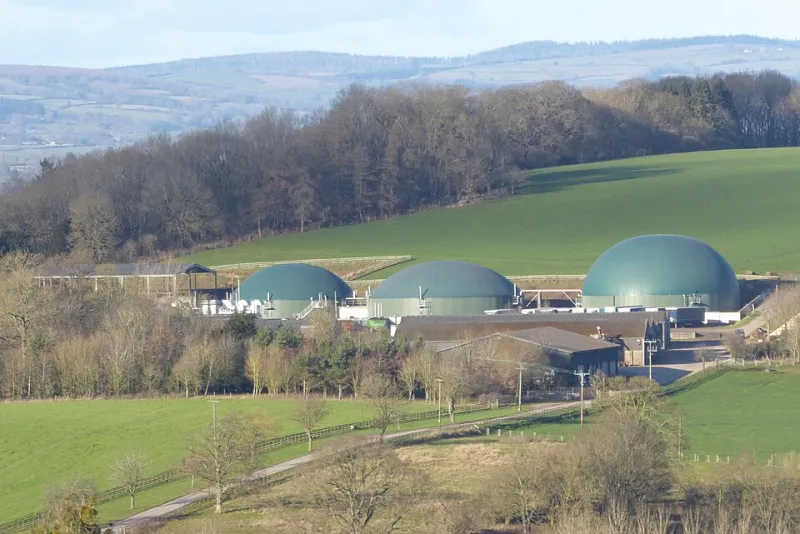
Most distillery waste-to-hydrogen concepts rely on a chain rather than a single leap. Residues and wastewater go to anaerobic digestion to produce biogas. The biogas is cleaned and reformed into hydrogen, or used to produce biomethane that is later converted. Some processes explore dark fermentation or gasification, but the common thread is that hydrogen is a secondary product, not a primary one.
That chain introduces losses at every stage. Feedstock collection, digestion, gas upgrading, reforming, compression and storage all take energy and capital. The hydrogen purity required for fuel-cell vehicles is high, so gas clean-up cannot be skimped. Water treatment adds another layer, particularly where distillery wastewater is mixed with other site effluent.
The scale question is blunt. A single distillery may produce enough biogas to displace some fossil gas in a boiler or generate electricity, but not enough hydrogen to support a large heavy-duty fleet on its own. Cluster economics only begin to work when several sites share digestion, upgrading and refuelling infrastructure, or when a larger food-and-drink processor anchors the demand.
Where the business case is credible
Waste-to-hydrogen is most credible where the site already faces a waste-treatment cost and can avoid it. If a distillery is paying to spread pot ale, tanker away wastewater or manage emissions, part of the hydrogen project's value is the avoided cost of disposal. Add a firm hydrogen off-taker, such as a local authority depot or a heavy-goods operator with fixed routes, and the project has a commercial spine.
Heat integration also matters. Reforming and compression generate heat and electrical demand. A distillery with steady process heat needs can use some of that energy, improving the overall economics. Sites with existing anaerobic digestion and grid-connection limits are better candidates than greenfield sites hoping to build everything at once.
Even then, hydrogen should be compared with simpler alternatives. Biogas burned in a boiler, upgraded to biomethane for the gas grid, or used in a combined heat and power unit may deliver a better return per tonne of feedstock. Hydrogen is not automatically the highest-value use of waste. It is a premium product for specific applications, usually where decarbonisation options are scarce.
Where it remains a demonstration
Several parts of the distillery hydrogen story remain unproven at commercial scale. Feedstock quality varies with production schedules, seasonality and cleaning regimes. Contaminants can upset digestion and gas clean-up. Hydrogen storage and compression add cost and safety requirements. Permitting for waste handling and gas processing can be slower than project promoters expect.
Then there is the demand risk. A hydrogen refuelling station needs utilisation to pay back. If the local fleet does not convert on the expected timetable, the project carries the fixed cost of compression and storage without the revenue. Public funding can bridge the gap for a demonstration, but it cannot create a durable market on its own.
This is where scepticism is warranted. A project that produces hydrogen for a handful of vehicles, supported by grant funding and a research partner, is a useful experiment. It is not yet evidence that distillery waste-to-hydrogen is replicable across the UK. The sector should be honest about which category each project falls into.
Replicability across food-and-drink sites
Breweries, dairies and food processors face similar waste streams and energy costs. Many have anaerobic digestion already, or have considered it. The lessons from Scottish distilleries will transfer only if they are documented properly: feedstock contracts, operating hours, gas yields, hydrogen purity, maintenance costs and actual offtake volumes.
There is also a hierarchy worth respecting. Reducing waste at source comes first. Reusing residues for animal feed or soil conditioning may be the best environmental option in some cases. Anaerobic digestion for heat or biomethane is often the pragmatic next step. Hydrogen should be considered where it solves a specific decarbonisation problem, not because it sounds more advanced.
What UK industrial sites should watch in 2026
The next twelve months should provide clearer signals. Watch for projects that move from feasibility studies to final investment decisions, and for offtake agreements that name a real fleet or industrial user rather than an aspirational one. Look at disclosed operating hours, hydrogen purity and cost per kilogram. Ask whether the project would survive without grant funding.
Also watch the cluster politics. Scottish hydrogen hubs, grid constraints and transport decarbonisation funding will shape which sites get connected. Distilleries may benefit from shared infrastructure, but they may also find themselves competing with larger industrial anchors for the same hydrogen demand.
The distillery waste-to-hydrogen idea deserves curiosity, not uncritical enthusiasm. It could turn a costly residue into a valuable fuel at a handful of well-chosen sites. It could also become a costly way to make very little hydrogen. The difference will be settled by engineering data and commercial contracts, not by the elegance of the circular-economy narrative.